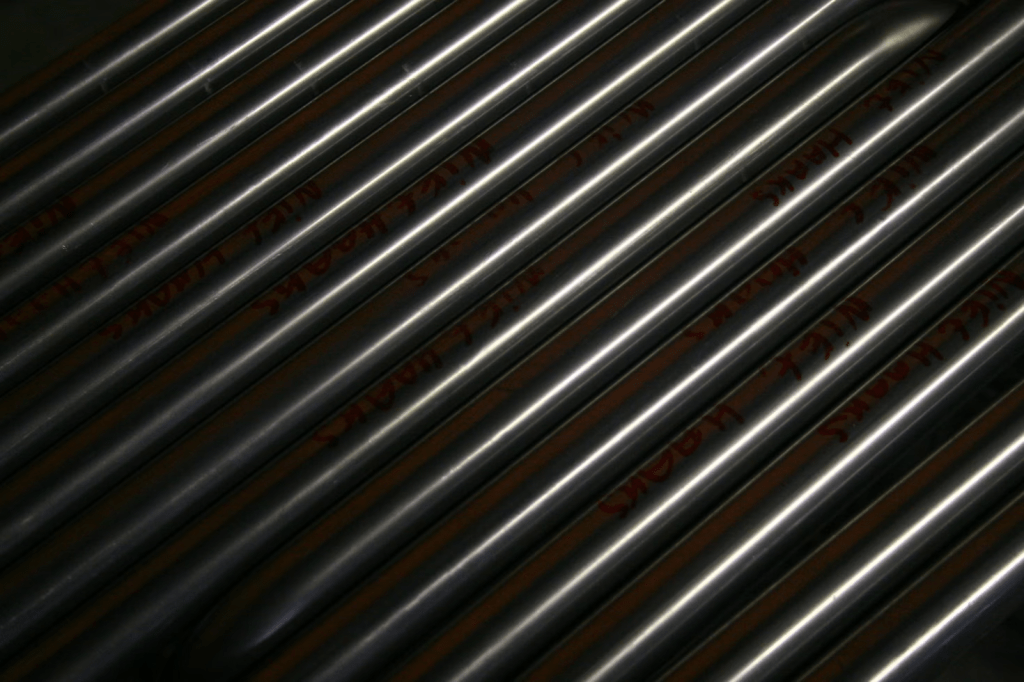
Selecting the right stainless steel pipe is one of the most critical decisions in any industrial piping project. Whether you are building a petrochemical processing facility, outfitting a marine vessel, or designing a water treatment plant, the pipe material you choose directly impacts system safety, longevity, and total cost of ownership. A poorly chosen pipe grade or specification can lead to premature corrosion, costly shutdowns, and even catastrophic failures.
In Singapore’s thriving industrial landscape — home to one of the world’s busiest ports, extensive oil refinery infrastructure, and a booming pharmaceutical sector — the demand for high-quality stainless steel piping has never been greater. This guide walks you through everything you need to know to make the right choice for your next project.
Understanding ASTM A312: The Gold Standard for Stainless Steel Pipes
ASTM A312/A312M is the most widely referenced specification for seamless, straight-seam welded, and heavily cold-worked austenitic stainless steel pipes intended for high-temperature and general corrosive service. When sourcing pipes for industrial applications, always confirm that your supplier provides material certified to this standard.
This specification covers a range of grades, but the most commonly used in Southeast Asian industrial projects are TP304/304L and TP316/316L. Pipes manufactured to ASTM A312 undergo rigorous testing including hydrostatic or non-destructive electric testing, ensuring they meet the mechanical and chemical composition requirements demanded by critical applications.
TP304/304L vs TP316/316L: Making the Right Grade Selection
The choice between 304 and 316 grade stainless steel is one of the most common decisions engineers face. While both are austenitic grades with excellent formability and weldability, they serve different purposes.
TP304/304L
Grade 304 is the most versatile and widely used stainless steel. It offers excellent corrosion resistance in a wide range of atmospheric environments and many mildly corrosive media. The “L” designation indicates a low-carbon variant (0.03% max carbon content), which is preferred for welded applications as it reduces the risk of intergranular corrosion in the heat-affected zone.
Best suited for: food and beverage processing, architectural applications, freshwater systems, and general-purpose industrial piping where exposure to chlorides is minimal.
TP316/316L
Grade 316 adds molybdenum (2–3%) to the alloy composition, significantly improving resistance to pitting and crevice corrosion, particularly in chloride-rich environments. This makes 316 the preferred choice in coastal and marine applications, chemical processing, and pharmaceutical manufacturing.
Best suited for: marine environments, chemical and petrochemical plants, pharmaceutical cleanrooms, saltwater systems, and any application with exposure to acids or chloride solutions.
As a general rule, if your project involves saltwater exposure, aggressive chemicals, or elevated temperatures combined with corrosive media, invest in 316/316L. For less demanding applications, 304/304L provides excellent performance at a lower cost.
Seamless vs Welded Pipes: Which One Do You Need?
Another fundamental decision is whether to specify seamless or welded stainless steel pipes. Each has distinct advantages depending on the application.
Seamless Pipes
Manufactured by extruding a solid billet through a die, seamless pipes have no weld seam, resulting in a homogeneous structure throughout the wall thickness. This makes them inherently stronger under pressure and more resistant to corrosion along potential weld-line weaknesses. Seamless pipes are typically available in sizes from ½” to 12” and are the preferred choice for high-pressure, high-temperature, and critical safety applications.
Welded Pipes
Welded pipes are produced by rolling a flat strip of steel into a tube shape and welding the seam. Modern manufacturing techniques, including TIG and laser welding followed by solution annealing, produce welded pipes with mechanical properties that are virtually indistinguishable from seamless pipes in many applications. Welded pipes are available in a wider range of sizes — typically from ½” to 20” or larger — and are generally more cost-effective.
For most general industrial applications, welded pipes offer an excellent balance of performance and value. Reserve seamless pipes for high-pressure services, critical safety systems, and applications where regulatory codes mandate their use.
Sizing Considerations Across Industries
Pipe sizing depends on flow rate, pressure, temperature, and the specific industry standards governing your project. In petrochemical and oil refinery applications, pipes often range from 2” to 12” for process lines, while utility and instrument lines may use ½” to 1”. Shipbuilding and marine projects frequently require both small-bore piping for hydraulic and pneumatic systems and large-bore piping for ballast and cooling water circuits.
Water treatment plants commonly use larger diameter pipes (6” to 20”) for main distribution and transfer lines. For projects requiring sizes beyond standard stock, custom fabrication or indent orders can accommodate diameters well beyond 20”.
Conclusion: Partnering with the Right Supplier
Choosing the right stainless steel pipe is only half the equation — you also need a supplier who maintains high stock levels, provides certified materials, and can support custom requirements. As an ISO 9001:2015 certified stainless steel pipe supplier in Singapore, APEC Metal & Engineering offers a comprehensive range of ASTM A312 pipes in TP304/304L and TP316/316L, available in both seamless and welded configurations from ½” to 20”. Their commitment to maintaining ready stock and offering fabrication services makes them a trusted partner for projects across the petrochemical, marine, pharmaceutical, and water treatment sectors.
 Apec Metal & Engineering Pte Ltd
Leave a comment